Matching Texture on a Patched Wall
The spray texture on a wall does one job: it hides the seams and small flaws in the drywall finish underneath it. Work booked through drywall patching riverside barbara gowdy starts by identifying that texture before any compound is mixed, since a patch in Riverside, CA that is flat while the wall is textured will show from across the room. Matching it is part of drywall repair, not an extra.
Reading the existing texture
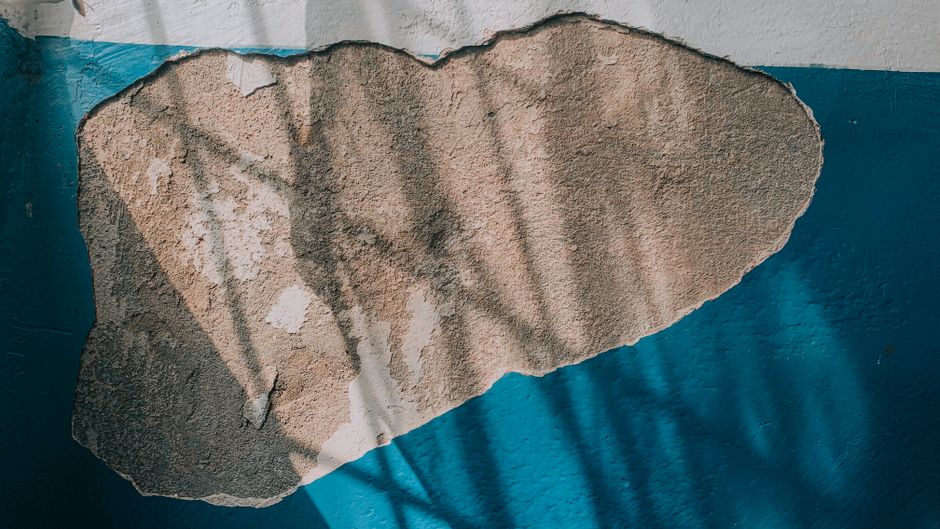
Most Riverside homes carry one of three finishes. Orange peel is a fine, even spatter. Knockdown is a heavier spatter flattened with a wide knife while it is wet. Skip trowel is a dragged pattern with flat islands. Older homes near the Mission Inn may have hand troweled or smooth plaster finishes that nobody sprays at all.
Building the base first
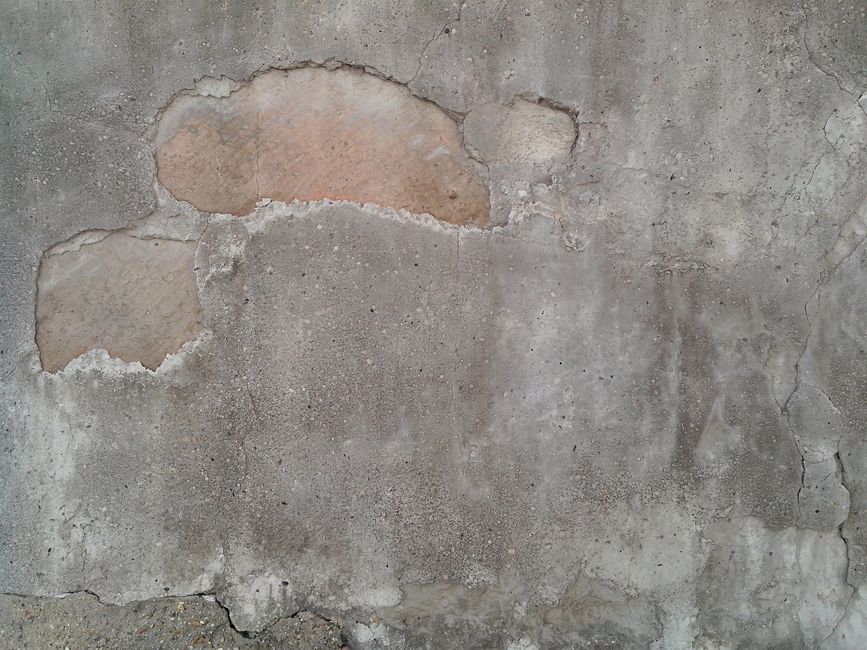
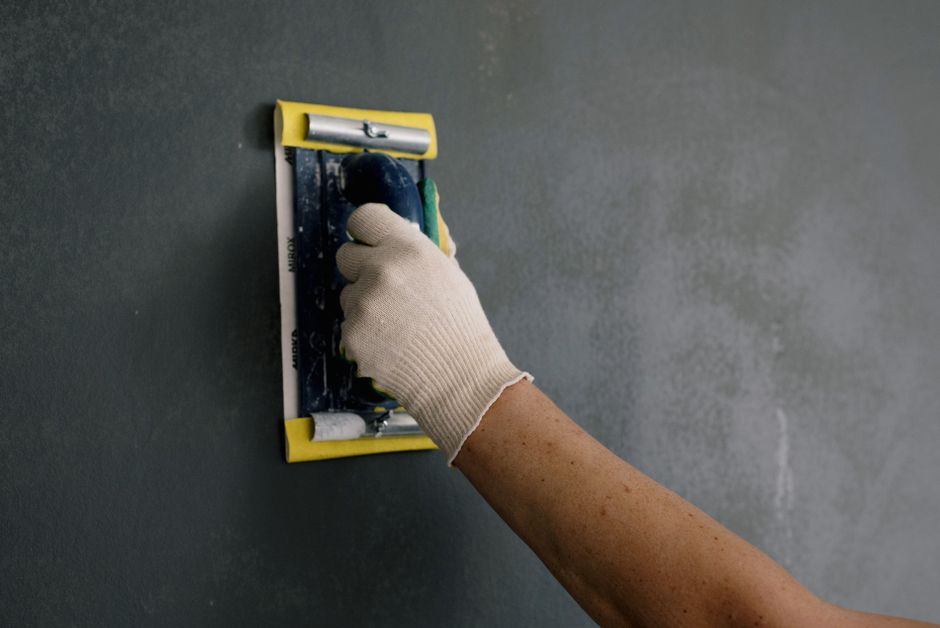
The patch is taped, filled and sanded flat in the same way as any seam, using joint compound in thin coats over paper tape or mesh tape. Texture only goes on once that base is dry. Mud thinned with water goes through a hopper gun or a hand sprayer, and a test spray on cardboard shows the size of the drops before they land on the wall.
Feathering into the old finish
The spray fades outward from the center of the patch, so the new texture blends into the old without a hard edge. For knockdown, the knife goes on after the surface loses its wet shine, and the pass is light. Too early and the texture smears, too late and it will not flatten.
Priming before paint
Fresh compound drinks paint unevenly. A coat of drywall primer over the entire patch seals it, so the topcoat sheen matches the wall around it. Skipping primer is the main reason a repaired patch still looks like a patch after painting, a flat spot called flashing.
Checking the result
The last check uses a work light held flat against the wall. Raking light shows every ridge and hollow. A patch that disappears under that light will disappear in the afternoon sun coming through a west facing window in the Inland Empire.
Common mistakes with spray texture
Too much water in the mix makes the drops run and sag, and too little leaves a gritty spray that will not knock down. Spraying beyond the patch in a hard square leaves a visible box, so the pass tapers off in a loose circle. Compressor pressure matters too, since higher pressure throws smaller drops and a finer pattern than the wall may have.
Walls that were painted several times over have a thicker, softer texture than new work, and matching them means lightly knocking the new spray down more. A sample patch on scrap board, held next to the wall, shows how close the match is before the real spray goes on.