Why Nail Pops Keep Returning in Riverside Homes
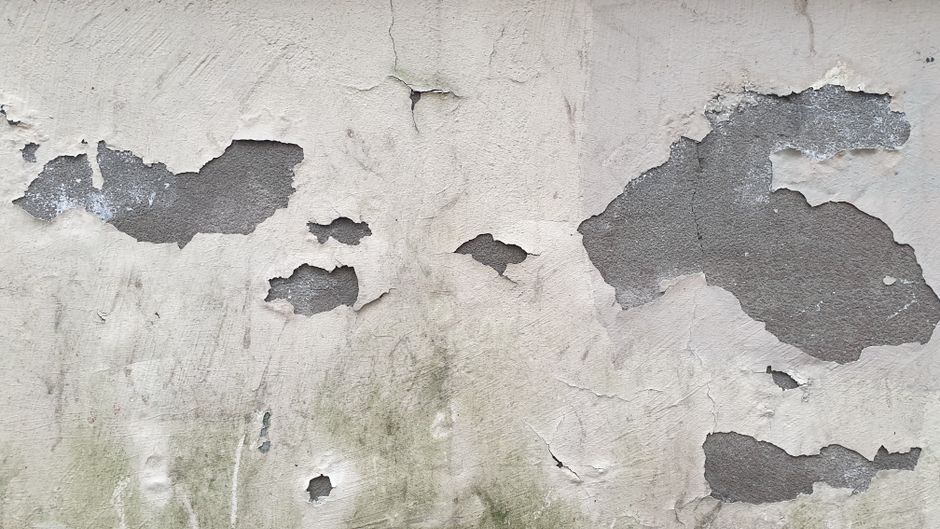
By the time the first small dome shows up under the paint, the framing lumber behind it has already moved. The intervals drywall patching riverside barbara gowdy uses between returning to the same wall are shorter than the manual says, because houses in Riverside, CA and across the Inland Empire swing hard between hot days and cool nights. A nail pop is a fastener that has backed out of the stud, and the drywall follows it out.
What actually pushes the nail out
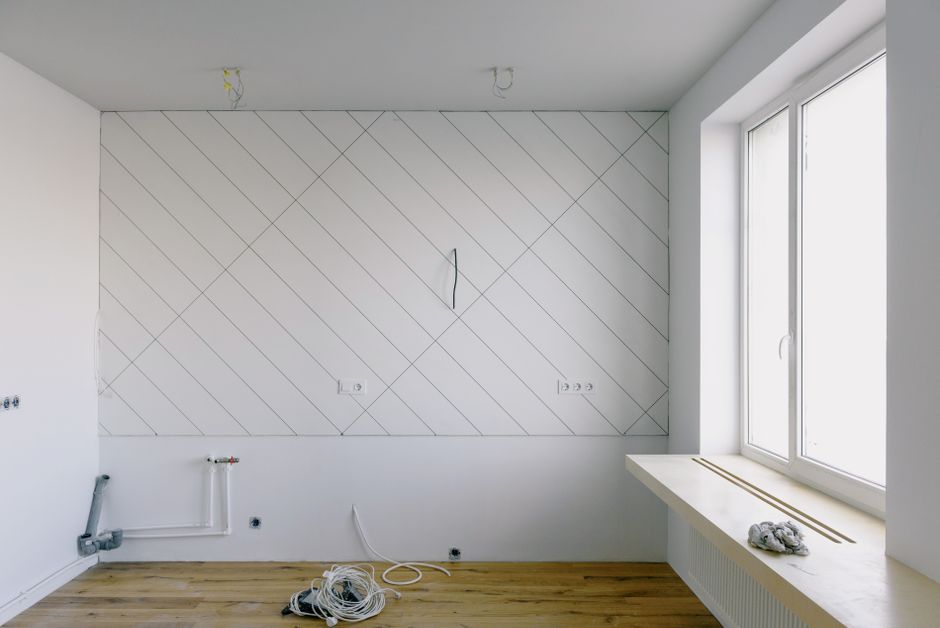
Framing lumber dries and shrinks after a house is built, often twisting slightly as it does. The stud moves away from the board, the nail stays in the stud, and the gypsum board is left with a loose spot. Seasonal heat in Riverside County adds expansion and contraction every year. A half inch board held by a few nails has little to resist that movement.
The fix that stays down
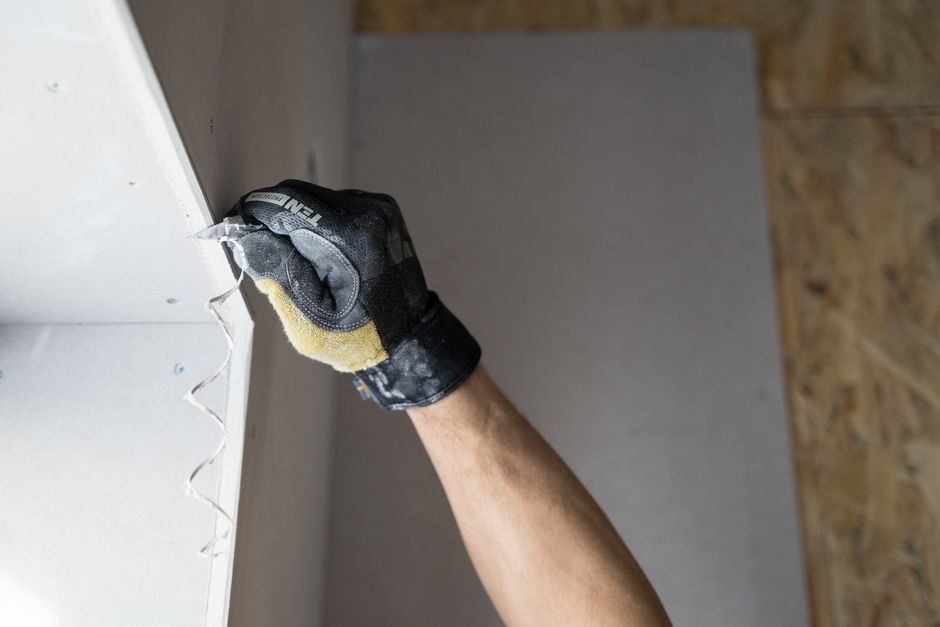
Hammering the nail back and covering it is the repair that fails. The right sequence is to drive a drywall screw about an inch and a half above and below the pop, pulling the board tight against the stud. Then the old nail is set below the surface, or removed. Each head is dimpled just under the paper, never broken through it.
Filling and finishing
Three thin passes of joint compound over each dimple make a flat repair. All purpose compound is fine for the first coat, with topping compound for the final one because it sands without scratching. Each pass dries before the next. A single thick fill shrinks as it cures and leaves a hollow that shows in side light.
Ceilings and long walls
Ceilings pop more than walls because the board hangs by fasteners alone, with a joist above doing the holding. A ceiling with a dozen pops usually means the original fastener spacing was wide or the nails were driven at an angle. Resetting the whole row with screws takes a few extra minutes and stops the next round.
When it is not a nail pop
A dome that is wet to the touch, or one with a brown ring, is a leak and not a fastener problem. A dome that grows after repair points to a joist that is still moving. Both get looked at before any mud goes on. Primer goes over the dry repair so the paint sheen matches the wall around it.
Texture matching, if the wall has any, comes after the final sanding and before primer.