Water-Stained Drywall After a Leak
Nothing about a brown ring on a ceiling says whether the leak is still active, which is the problem. The work at drywall patching riverside barbara gowdy begins with a moisture reading, since drywall repair in Riverside, CA over wet board only seals the damage in. Roof leaks, pinhole copper lines and swamp cooler overflow all leave the same stain.
Is it dry yet
Gypsum board holds water for days. A moisture meter pressed against the stained spot and a few feet beyond it shows how far the wet reaches. A reading that keeps falling means the source is fixed. A reading that stays up means the leak is not, and no amount of mud will help.
What gets cut out
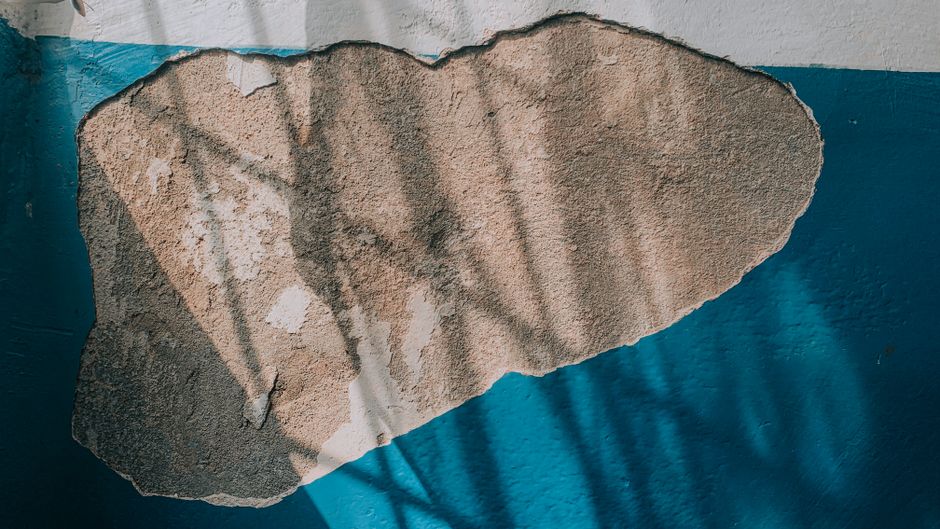
Board that has gone soft, sagged, or crumbles under a screwdriver tip comes out entirely. The cut is squared and runs back to the center of a stud or joist on both sides, so the new piece has something to fasten into. Insulation above is checked and replaced if it is matted.
Moisture resistant board in wet rooms
In bathrooms and laundry rooms, the replacement is often moisture resistant board, the green board of older houses, or cement board behind a tub or shower. Standard half inch board in those spots is the reason many leaks become bigger repairs. Tape and joint compound go over the seam as usual, but only after the board is fully dry.
Stain blocking primer
A water stain bleeds through ordinary paint and returns. An oil or shellac based stain blocking primer, brushed over the dry repair and the old ring, stops it. Two coats of primer, then paint, and the brown does not come back.
Mold and old leaks
Dark spotting or a musty smell means the wall was wet long enough for growth, and the cleanup comes before any patching. Older homes near the Santa Ana River sometimes show repeated stains from the same spot, and the fix there is plumbing or flashing, then drywall.
Rebuilding the opening
Once the board is cut out and the framing is dry, a new piece of the same thickness is screwed to the studs and joists, with the edges left slightly snug. Paper tape goes over the seams in a bed of all purpose compound, then a second coat and a thin topping coat. Ceilings take longer than walls because gravity works against every coat.
Finding the source
A stain on a ceiling below a roof often traces to flashing around a vent, not the middle of the stain. A stain below a bathroom usually traces to a supply line or a tub drain. Fixing the source comes first, and the board repair only follows once the area stays dry through a few weeks of use.